Rehab & Sports Massage
Built On A Diagnosis, Not A Guess.

Most rehab starts with a stretch routine and a hope. Yours starts with an actual assessment — the same biomechanical screening used on professional athletes — so the plan matches what's actually wrong, not just where it hurts.

£45/hr · No commitment required for a single session

0%

of people experience low back pain at some point in their life

NIH

0 in 3

UK adults live with a musculoskeletal condition

Versus Arthritis

0%

of athletes suffer a second injury within 2 years of returning to sport

sports medicine literature

Why The Pain
Keeps Coming
Back.

Four real reasons rehab fails when it skips the diagnosis. If you recognise any of these, you're in the right place.

The Rest-And-Repeat Cycle

"Just rest it" doesn't fix what's actually wrong.

You've been told to just rest it, and the pain always comes back once you're active again. Rest reduces symptoms temporarily — it doesn't address the mechanical cause, so the same injury just waits for you to move again.
Guessing With Generic Exercises

A video isn't a diagnosis.

You're doing generic exercises pulled from a video with no idea if they're actually right for your issue. Without an assessment, exercise selection is a guess — and the wrong exercise can slow recovery or make things worse.

Cleared But Not Confident

Medical clearance isn't the same as being ready.

You've been medically cleared but still don't feel confident training normally again. The gap between "safe to move" and "ready to perform" is exactly where most rehab stops short.

The Rehab-To-Training Gap

Most rehab stops before you're actually back.

You want someone who understands both clinical rehab and how to actually get you back to training — not just one or the other. Physio ends, but "back to normal" was never properly defined or tested.

Rehab & Recovery Screening // 6 Questions

What's Actually Going On With The Pain?

Answer 6 quick questions and get a starting-point recommendation — built for your actual situation, not a generic stretch routine.

Takes about 90 seconds. This isn't a diagnosis — it's a starting point.

The Pain Isn't The Diagnosis. It's The Symptom.

Whatever's brought you here — an old injury that never quite healed, a recent surgery, or pain that shows up the moment you try to train properly again — the pattern is usually the same. Something gets labelled as "just needs rest" or "just needs stretching" without anyone actually identifying what's mechanically going wrong. So it manages, but never resolves.

That's not a willpower problem. It's a diagnosis problem — and it's fixable with an actual assessment before any exercise gets prescribed.

The Method

Diagnose

Comparing sides, not guessing from where it hurts

Active and passive strength and range-of-motion testing, run alongside a full movement screen, comparing your injured side against your uninjured side to quantify the actual deficit — not just where it hurts. If you've already got scans or a specialist letter, they get reviewed too, though that's not required to start.

What you get

  • Active and passive ROM testing, side-to-side comparison
  • Strength testing to quantify the actual deficit
  • Full movement screen to see how the rest of your body is compensating
  • Scan and medical report review if you have one — not required to start

Rebuild

Built on the diagnosis, not a generic stretch sheet

Hands-on soft-tissue and joint work targeted at exactly what the assessment found, paired with corrective exercise programming that addresses the deficit rather than generic mobility drills. Load gets managed and progressed as your symptoms and retested numbers allow — not on a fixed timeline.

What you get

  • Hands-on soft-tissue and joint work targeted at the assessment findings
  • Corrective exercise programming addressing the actual deficit
  • Load managed and progressed as symptoms and retesting allow
  • Reassessed against your baseline numbers, not guesswork

Return

Cleared on your numbers, specific to your injury

Return-to-training clearance is specific to you and the injury — built on strength symmetry between limbs, full range of motion confirmed pain-free under load, and a retest of the actual activity that caused the problem. Hop and functional testing gets added where the injury calls for it, with clear goals and outcome targets agreed before you're signed off.

What you get

  • Strength symmetry between limbs retested against your baseline
  • Full range of motion confirmed pain-free under load, not just at rest
  • The specific activity that caused the injury, retested under real conditions
  • Hop/functional testing added where relevant to the injury
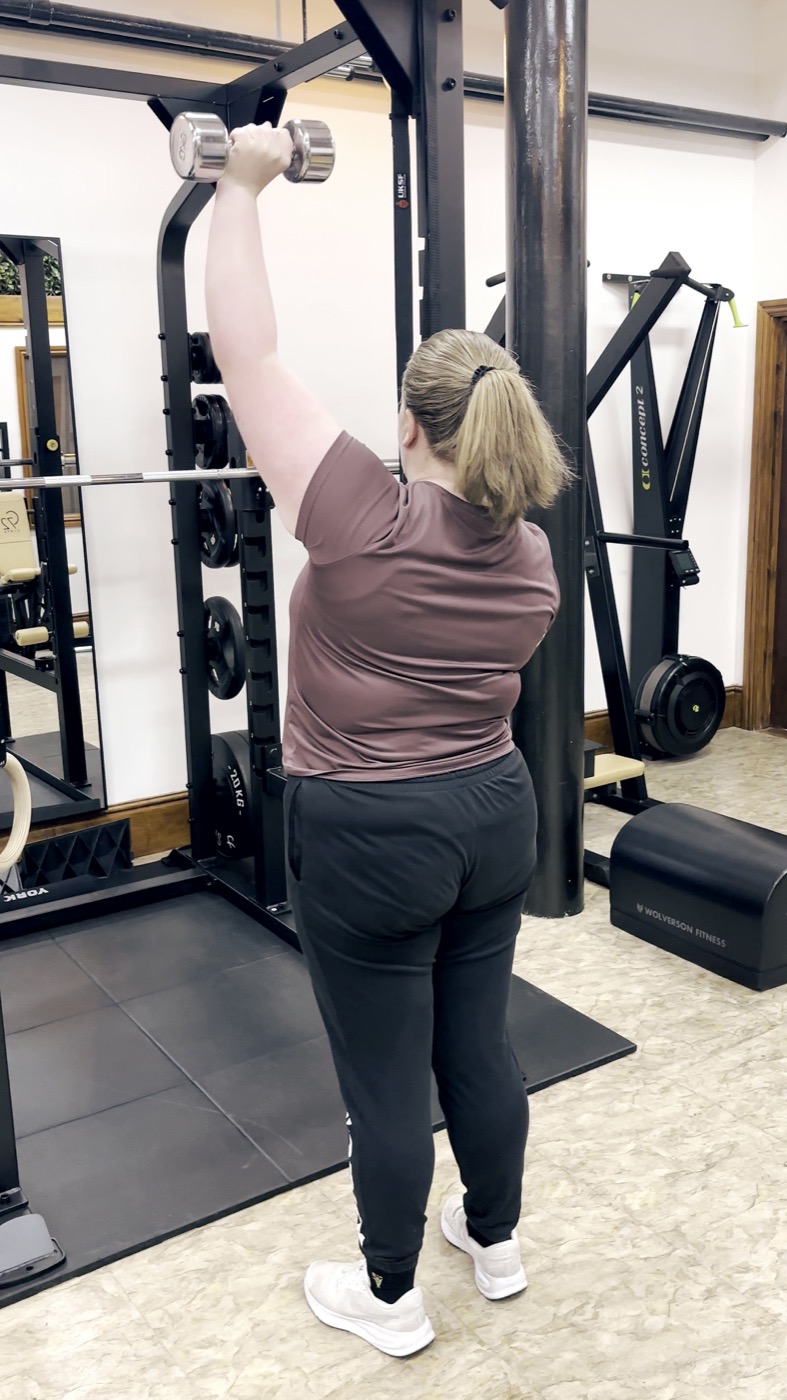
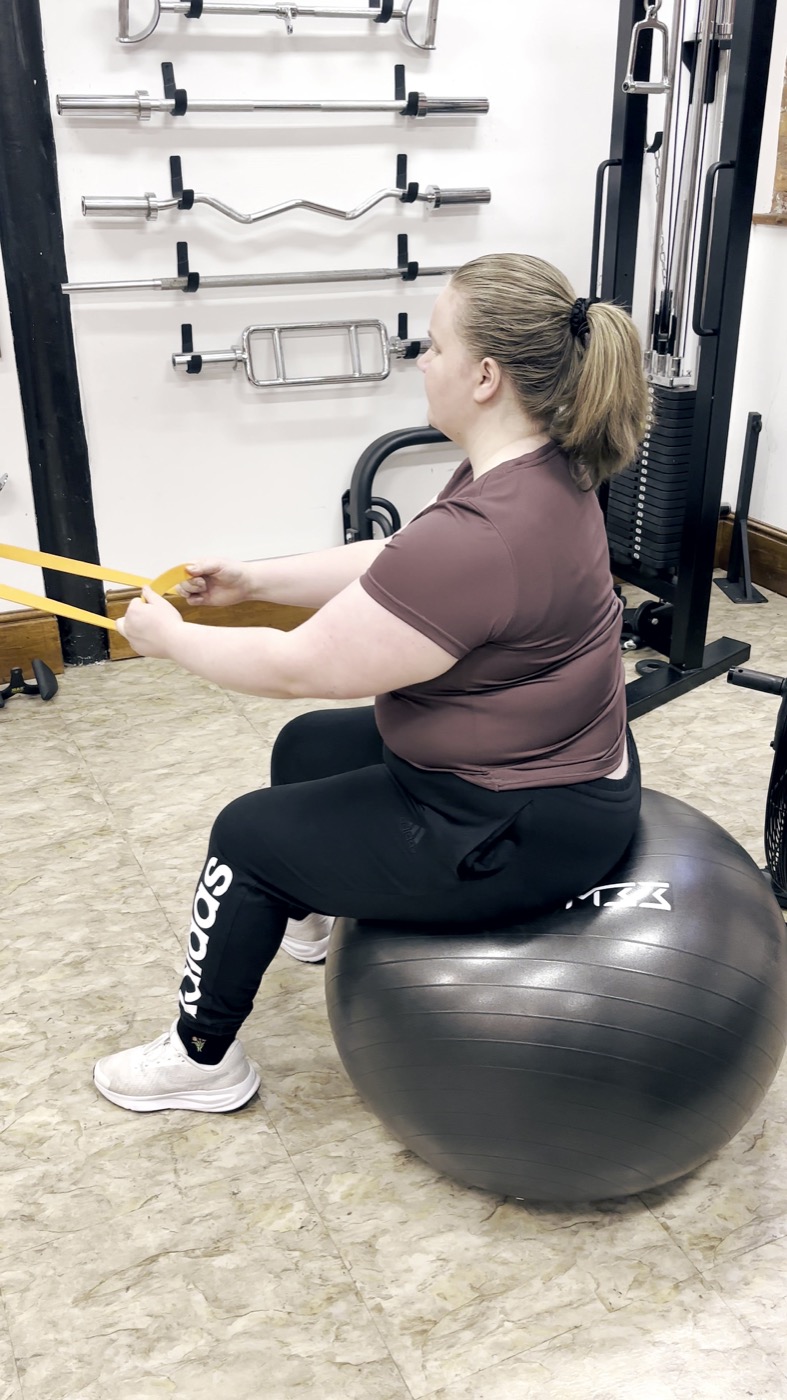
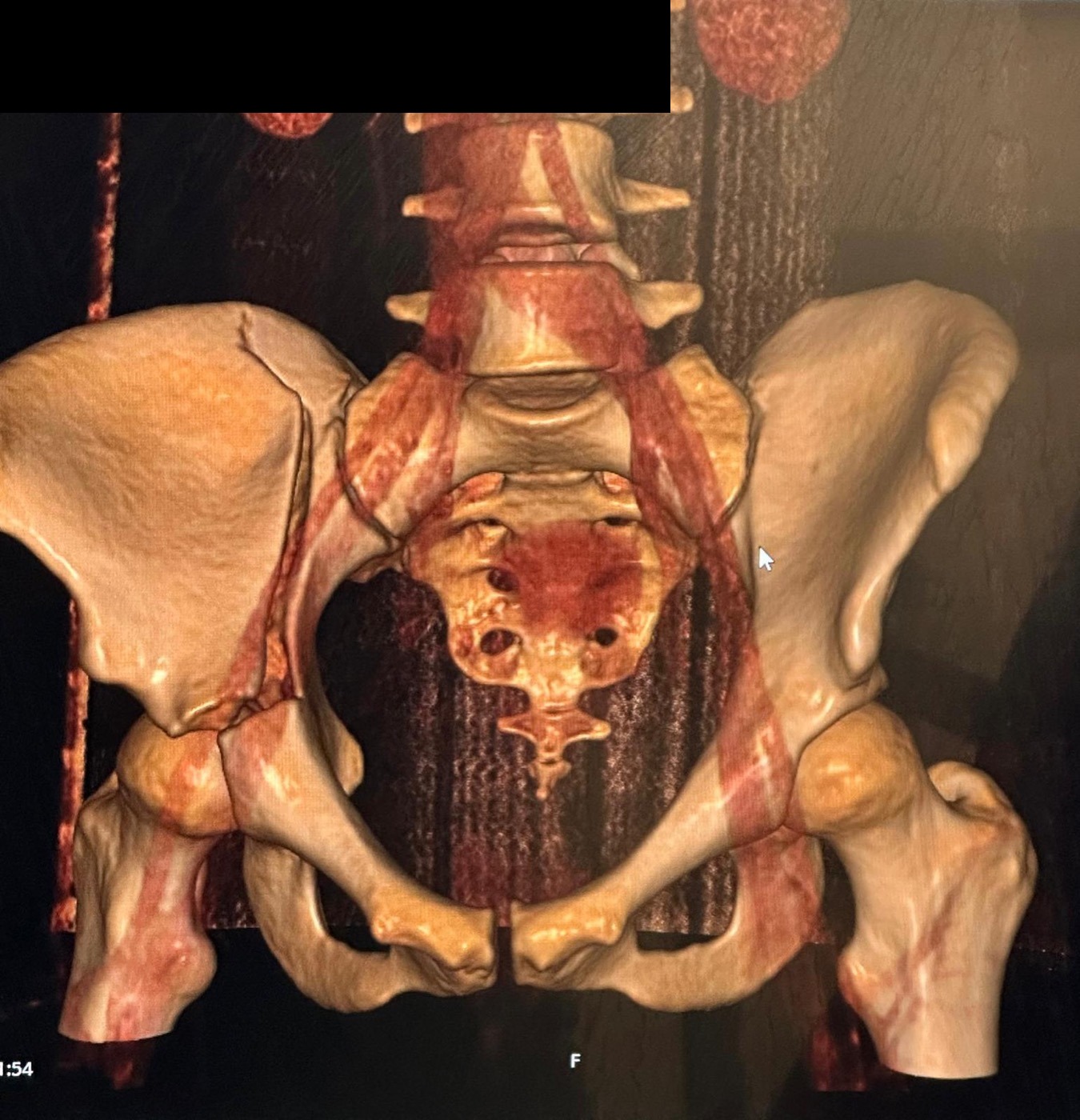
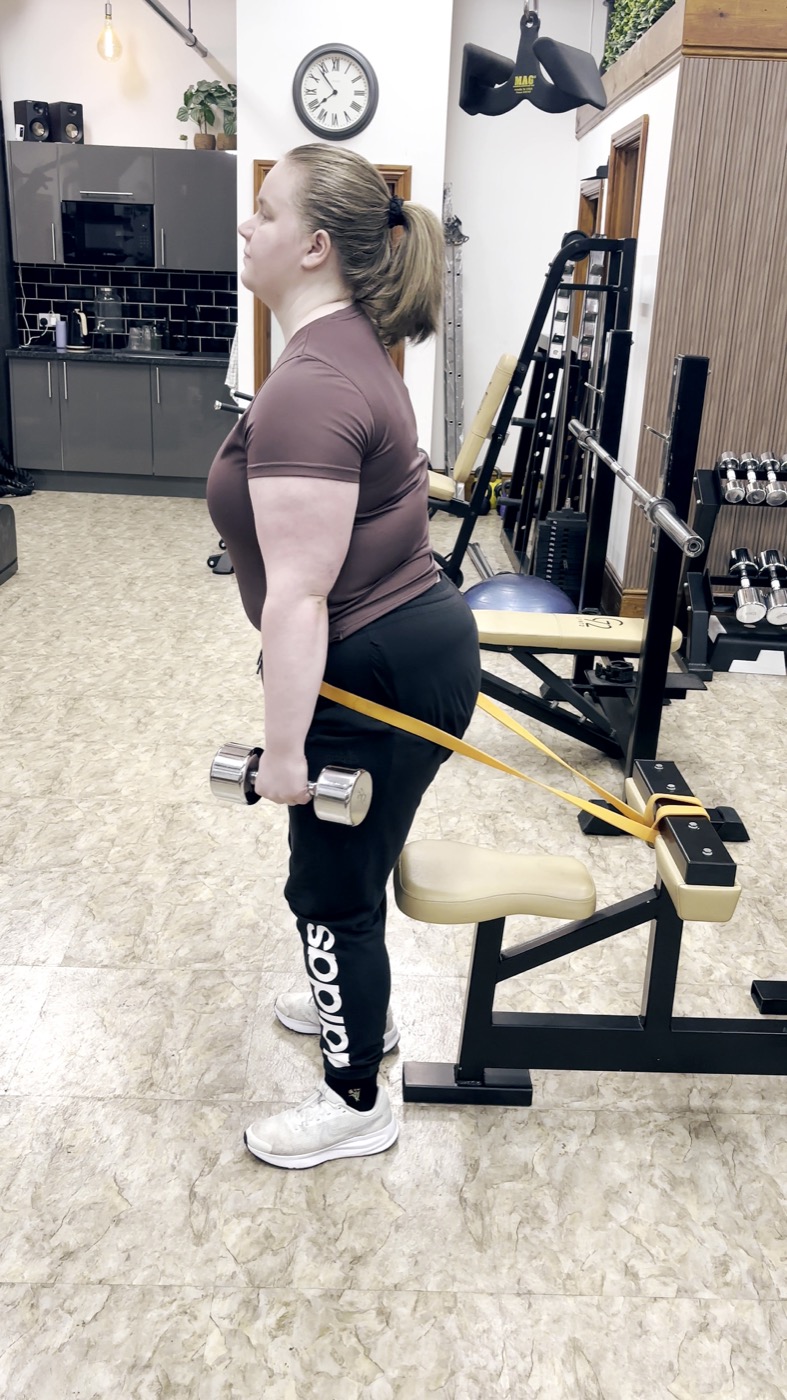
Client's pelvis fracture scan, shared with permissionClient performing a resistance band standing row during rehabClient performing a resistance band overhead press during rehabClient performing a seated resistance band exercise on a stability ball during rehab

Active Rehab

For anyone managing an ongoing issue — hands-on work and rehab exercise, not just a stretch sheet.

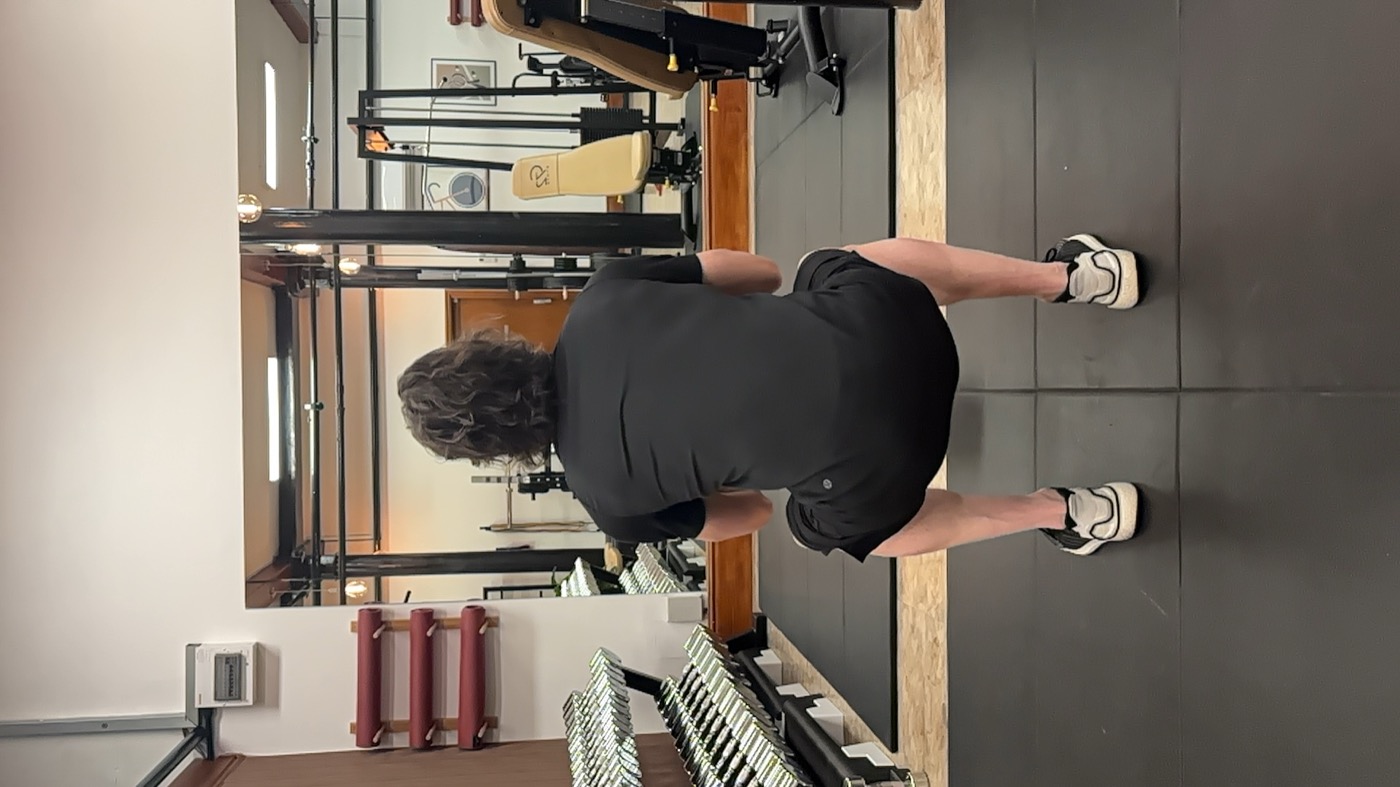
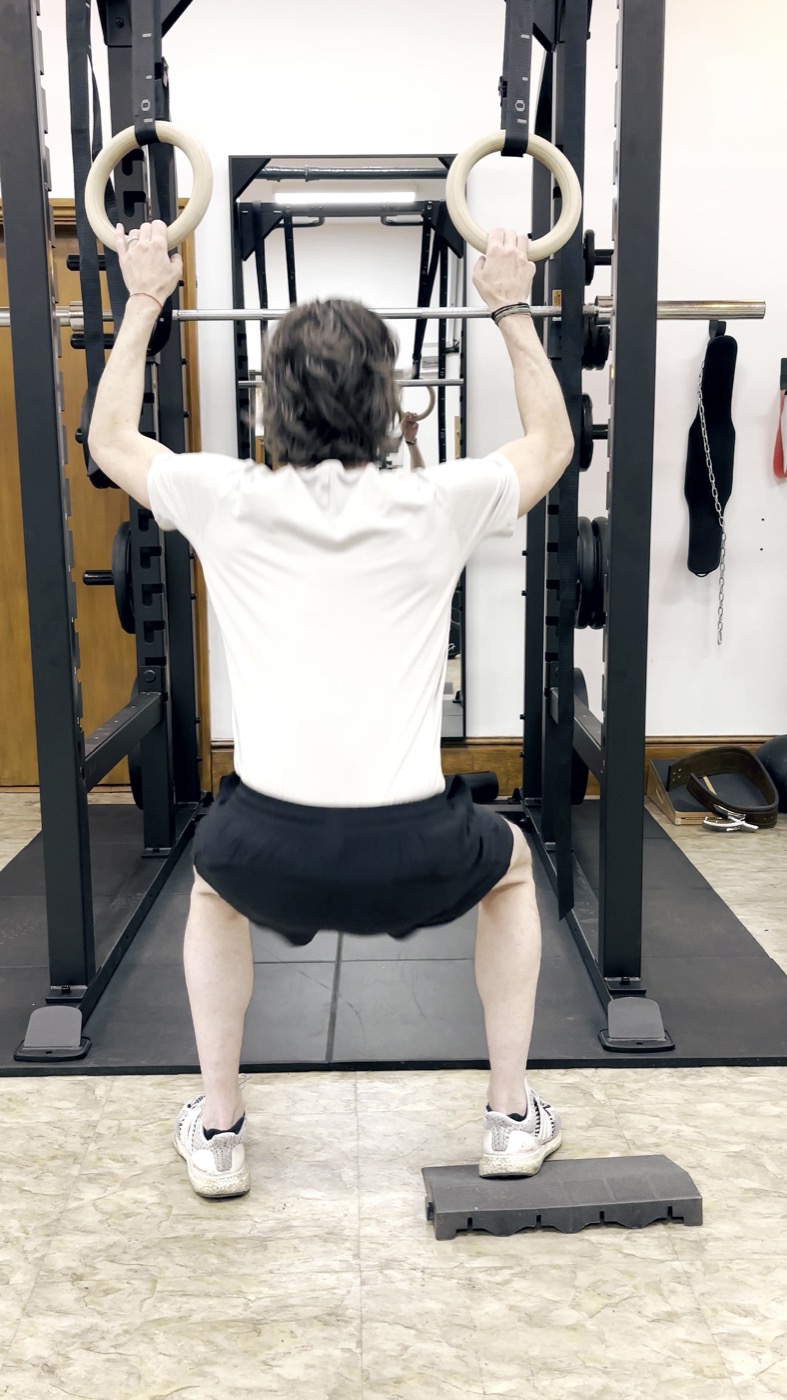
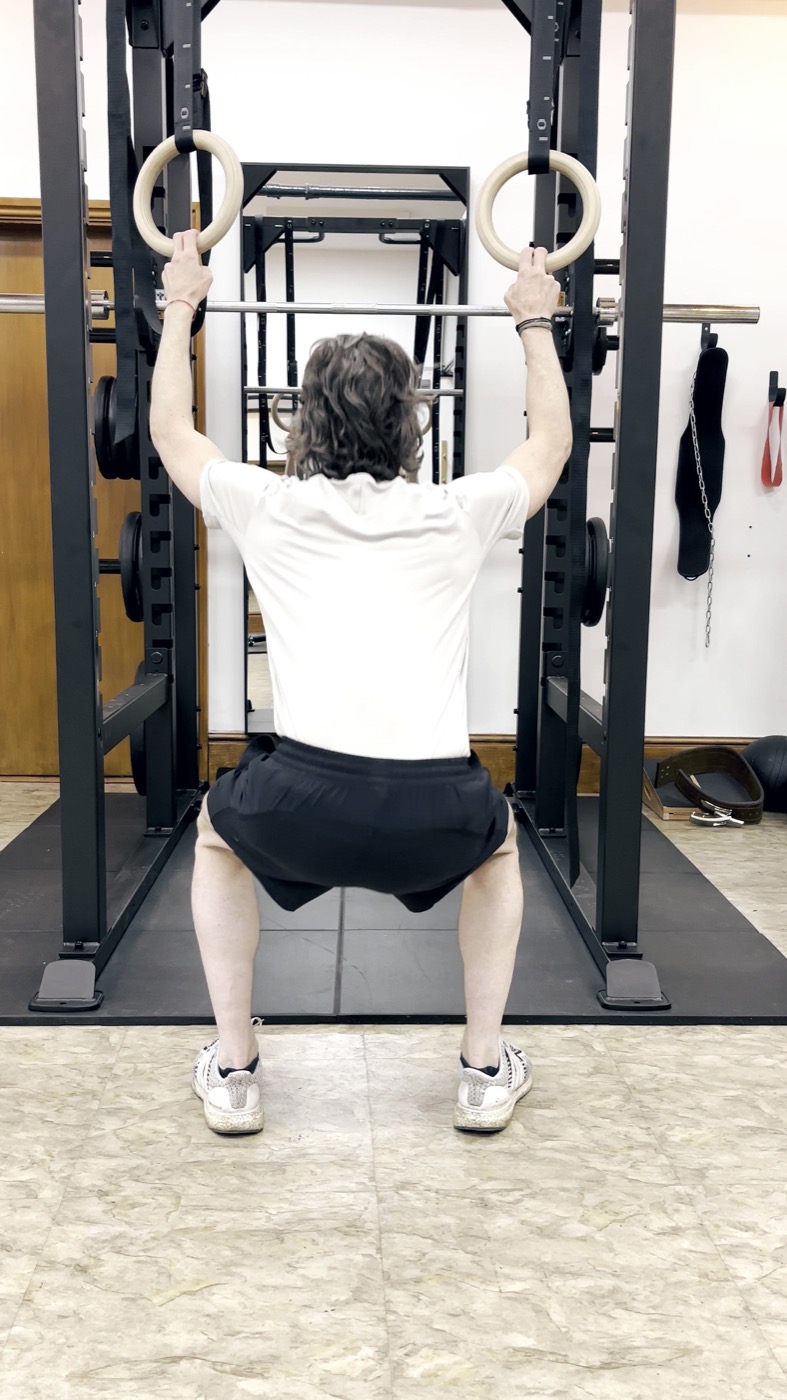
Client's squat pre-hip-replacement, showing hip imbalanceClient performing an assisted squat during early post-hip-replacement rehabClient performing an improved, balanced squat later in post-hip-replacement rehab

Post-Surgical Return to Training

For anyone cleared by a surgeon but not yet confident training again — a real progression, not a guess.

Client scans and rehab journeys shared with their full permission.

Pricing

No hidden costs. An active JD Gyms membership is required for in-person sessions. Online coaching runs on the Sync / Calibrate / Optimise tiers — see Contact for those rates.

Single Session

£45

per hour

Pay as you go, no commitment.

10-Session Block

£400

total (£40/session)

Save £50 against pay-as-you-go rate.

Blue Light Discount

£37.50

per session

NHS, police, fire, and ambulance service staff. Requires a discount code at booking.

Student Discount

£40

per session

Valid student ID required. Requires a discount code at booking.

What's included

  • 1:1 rehab and sports massage sessions, built around your actual diagnosis
  • Biomechanical movement assessment — the same principles used to assess professional athletes
  • Hands-on soft-tissue and rehab programming
  • Roster-adapted scheduling if you work shifts
  • JD Gyms Sheffield South, 17 Guernsey Road, or online
  • Waitlist access to the Circadex training app for workout and nutrition tracking (in beta)

Start With A Proper Assessment

No guessing, no generic stretch sheet. We find out what's actually wrong, then build the plan around it.